Get Ground Hydrant Installation
Ground hydrant installation services help property owners ensure reliable fire protection by installing or upgrading hydrant systems for commercial, industrial, or municipal projects.
Ground hydrant installation is an important consideration for property owners seeking reliable water access solutions. Whether for firefighting readiness, irrigation needs, or other emergency preparedness projects, having a well-planned ground hydrant system can enhance safety and operational efficiency. Property owners in the area exploring this work often look to local contractors who understand the specific requirements of the community and can provide tailored solutions to meet their needs.
As you evaluate options for ground hydrant installation, it’s helpful to compare services offered by local contractors who specialize in this work. These professionals can assist with planning, ensuring the system is appropriately designed and installed to suit your property’s layout and usage requirements. Continuing to explore your local options can help you find the right service provider to support your project’s successful completion.
- Ground Hydrant Installation - needed when a property requires a reliable water source for firefighting or irrigation.
- Fire Protection System Setup - necessary for buildings that need an effective ground water supply for fire safety.
- Water Access for Construction Sites - required during large-scale construction projects that need temporary or permanent water sources.
- Agricultural Water Systems - essential for farms and ranches that depend on ground hydrants for crop irrigation and livestock care.
- Emergency Water Supply Installation - vital for facilities seeking a backup water source for safety and operational continuity.
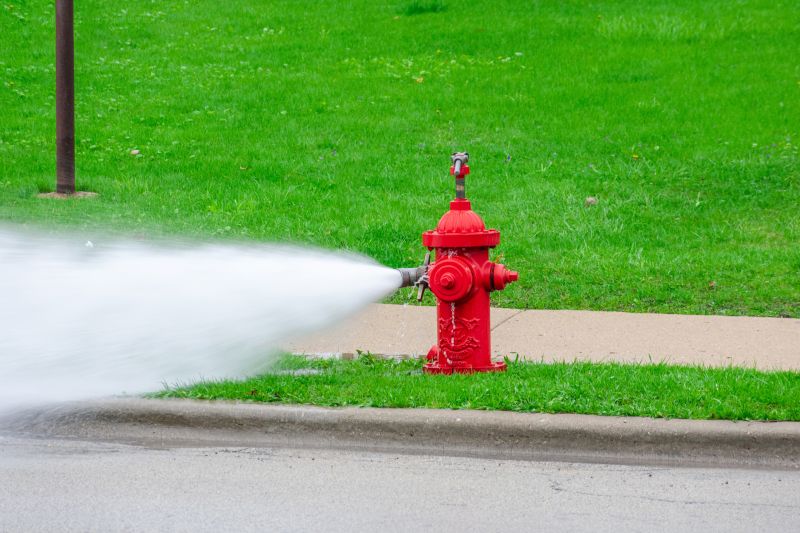
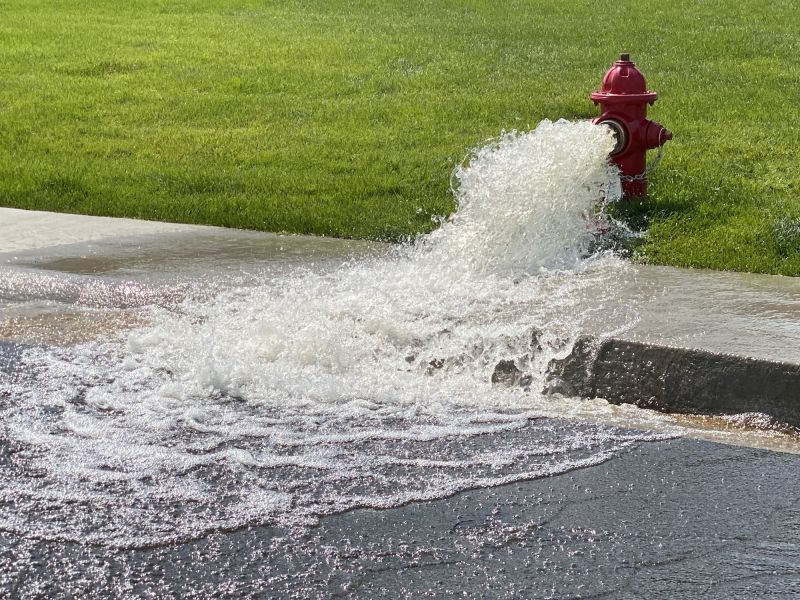
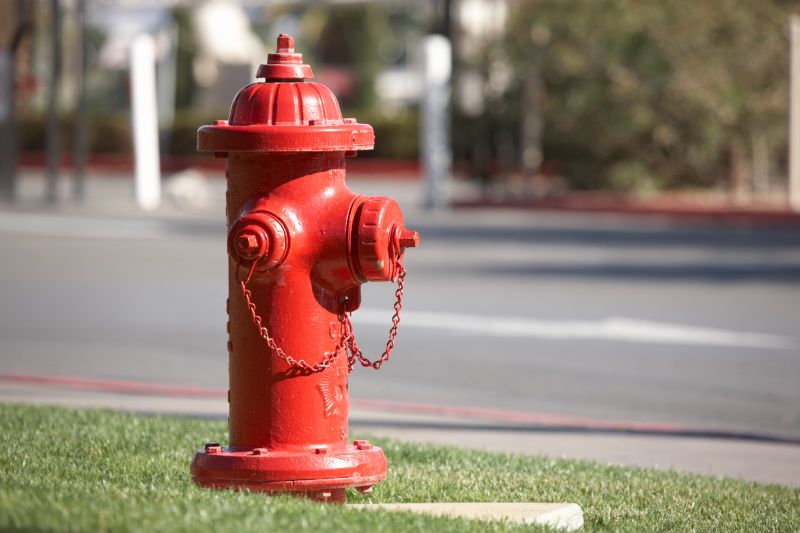
Ground hydrant installation services involve placing durable, above-ground water outlets that connect to a property's main water supply. These systems are typically installed in strategic locations around a property to provide easy access to water during emergencies, landscaping, or maintenance tasks. The process includes preparing the site, connecting the hydrant to the main water line, and ensuring the system functions properly. Professional contractors focus on proper placement and secure connections to ensure reliable operation when needed.
This service helps resolve common issues related to water access in outdoor settings, especially during firefighting efforts, property maintenance, or irrigation. Without a properly installed ground hydrant, homeowners might struggle with limited water access, delayed response times in emergencies, or inefficient watering of lawns and gardens. Installing a ground hydrant can also prevent damage to underground utilities or landscaping by providing a safe, designated water outlet that reduces the need for temporary or makeshift solutions.
Ground hydrant installation is often used on residential properties, farms, commercial sites, and public spaces where reliable outdoor water access is essential. Homeowners with large yards, gardens, or pools may find this service particularly useful for maintaining their outdoor areas efficiently. Property owners in rural or semi-rural locations, where municipal water access may be limited or unavailable, frequently turn to professional contractors to install hydrants that support firefighting readiness or irrigation needs.
When considering ground hydrant installation, it’s important to evaluate the specific water requirements and the property's layout. Local service providers can assess these factors and recommend the best placement and system type to meet individual needs. Proper installation ensures the hydrant functions effectively over time, providing a dependable water source for emergencies, landscaping, or other outdoor applications. Contacting experienced contractors can help determine if this solution is appropriate for a particular property and ensure professional, reliable installation.
The overview below groups typical Ground Hydrant Installation projects into broad ranges so you can see how smaller, mid-sized, and larger jobs often compare in your area.
In many markets, a large share of routine jobs stays in the lower and middle ranges, while only a smaller percentage of projects moves into the highest bands when the work is more complex or site conditions are harder than average.
Smaller Repairs - Typical costs for minor ground hydrant repairs or maintenance range from $250 to $600. Many routine jobs fall within this middle range, depending on the extent of the work involved.
Basic Installation - Installing a new ground hydrant usually costs between $1,000 and $3,000. Most standard projects land in this range, with fewer jobs reaching the higher end for added complexity.
Full Replacement - Replacing an existing ground hydrant can range from $2,500 to $5,000 or more. Larger, more complex projects tend to push into the higher tiers, especially if additional site work is needed.
Custom or Complex Projects - Custom installations or those requiring extensive groundwork can exceed $5,000. These projects are less common and typically involve specialized requirements or challenging site conditions.
Actual totals will depend on details like access to the work area, the scope of the project, and the materials selected, so use these as general starting points rather than exact figures.
Fire Protection System Installation - local contractors skilled in installing fire hydrants often have experience with related underground water supply systems and planning requirements.
Underground Water Line Installation - professionals who install underground water lines share skills in trenching, pipe fitting, and site planning similar to ground hydrant setup.
Sprinkler System Setup - installing fire sprinkler systems requires knowledge of water supply connections and underground piping, making it comparable to ground hydrant installation projects.
Storm Drainage System Construction - constructing storm drainage involves underground piping and site planning skills akin to those used in ground hydrant installation.
Water Main Replacement - replacing or installing water mains involves excavation, pipe handling, and planning skills that align with ground hydrant installation processes.
Irrigation System Installation - setting up large-scale irrigation systems requires underground piping and site layout expertise similar to ground hydrant projects.
When comparing local contractors for ground hydrant installation, it’s important to consider their experience with similar projects. Homeowners should look for service providers who have a proven track record of handling ground hydrant installations or related tasks. This can help ensure that the contractor understands the specific requirements and challenges associated with such work, leading to a smoother process and a quality outcome.
Clear written expectations are essential when evaluating local service providers. Homeowners should seek contractors who can provide detailed proposals or scope of work that outline the services offered, materials used, and any relevant project details. Having this information in writing helps prevent misunderstandings and provides a basis for comparing different options objectively.
Reputable references and good communication are key factors in selecting the right contractor. Homeowners are encouraged to ask for references from previous clients who have had similar work completed and to verify the quality of service provided. Additionally, responsive and transparent communication from the contractor can indicate professionalism and reliability. Remember, this site introduces homeowners to local options for ground hydrant installation, but the actual work is performed by independent service providers who can meet these important criteria.
Property owners use Ground Hydrant Installation services for practical projects around their homes and businesses. This guide focuses on everyday jobs and straightforward project options.
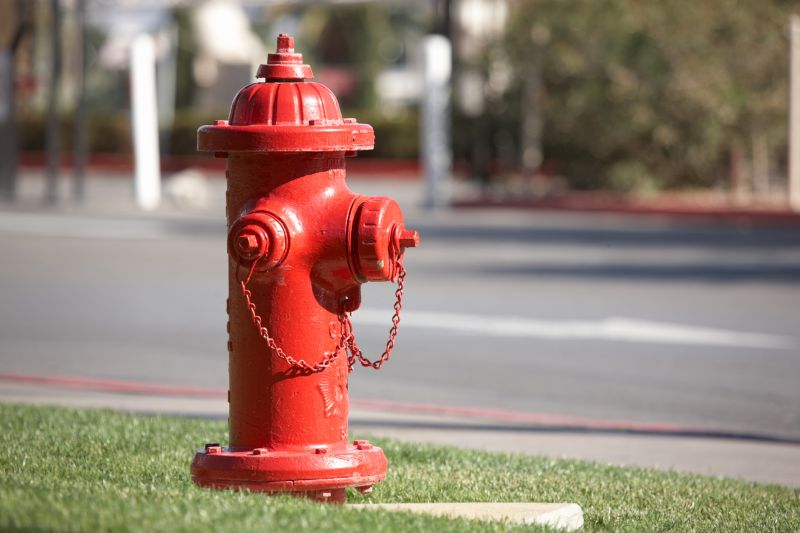
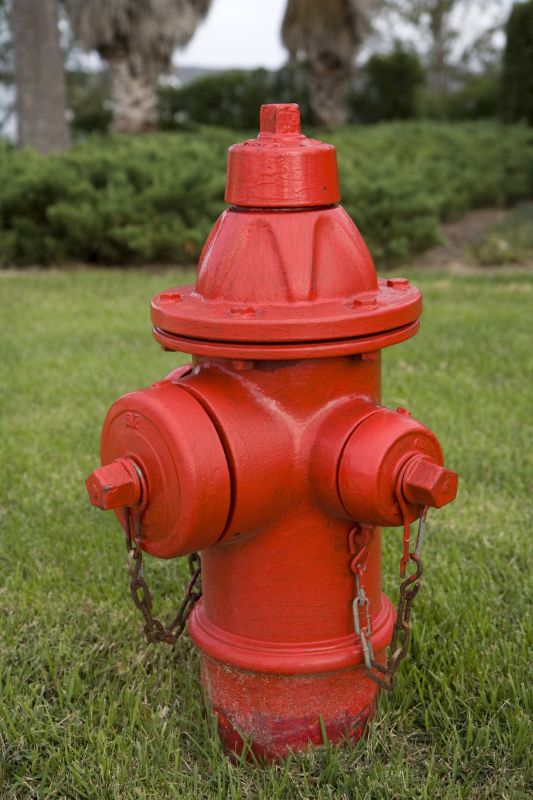
Ground hydrant installation is a common project for property owners who need reliable access to water in emergency situations or for routine maintenance. Whether managing large commercial properties, industrial sites, or community facilities, many seek local contractors to ensure that hydrants are properly installed and ready for use. These services are often needed when building new infrastructure, upgrading existing fire safety systems, or replacing outdated equipment to meet safety standards.
Property owners might also look for ground hydrant installation when preparing for future expansion or improving property safety measures. Local service providers can help ensure that hydrants are correctly positioned and functional, providing peace of mind for those responsible for property safety. Connecting with experienced contractors in the area can make the process smoother and help ensure the work meets necessary requirements.
What are ground hydrants used for? Ground hydrants provide accessible water sources for firefighting, irrigation, and other outdoor water needs.
How do local contractors install ground hydrants? They typically excavate the area, connect the hydrant to the water supply line, and ensure proper placement and functionality.
Are ground hydrant installations suitable for residential properties? Yes, many local service providers can install ground hydrants on residential properties for various outdoor water applications.
What factors influence the placement of a ground hydrant? Factors include water access points, property layout, and local regulations, which local contractors can evaluate during consultation.
Can a ground hydrant be installed in any type of soil? Most soils are suitable, but local pros assess soil conditions to ensure proper installation and stability.
Ground Hydrant Installation for Fire Safety - Property owners can enhance fire protection by installing ground hydrants in strategic locations around their property.
Emergency Access Solutions - Installing ground hydrants provides reliable water access for emergency responders during fire incidents.
Property Development Projects - Developers can incorporate ground hydrants into new construction plans to meet safety requirements.
Landscaping and Irrigation Integration - Ground hydrants can be used for convenient watering of large lawns and landscaped areas.
If you are thinking about Ground Hydrant Installation for a property, this guide is meant to help you understand the work, the typical project types, and how different options might fit your plans.
When you are ready, you can use the quote form on this page to share a few details about your project. From there, local pros can review the basics and respond with options that match what you have in mind.